

There's an important discussion to be had here about pervasive gender stereotypes and how they limit girls' ability to fulfil their potential. But there's another really important take-home for parents, regardless of their children's gender: Don't be afraid to overrate your child

Conjunctions
Conjunctions are words that join ideas together. We use them to link two phrases in a sentence.

Punctuation for primary
We'll start with the basics which kids are exposed to in reception and year 1, and then move on through the years to the trickier elements that children are expected to tackle towards the end of primary school.
Watch your child's confidence and
ability in maths grow with 蘑菇视频.
Award winning home learning for ages 5 to 11 on tablet and laptop.
Free 14 day trial on all accounts

Prefixes are groups of letters that we add to the start of a word to make a new word.

Have a go at our spooky Halloween picture puzzle!
Can you tackle this spooky halloween maths picture puzzle? Test your skills in addition, subtraction, multiplication, division and orders.
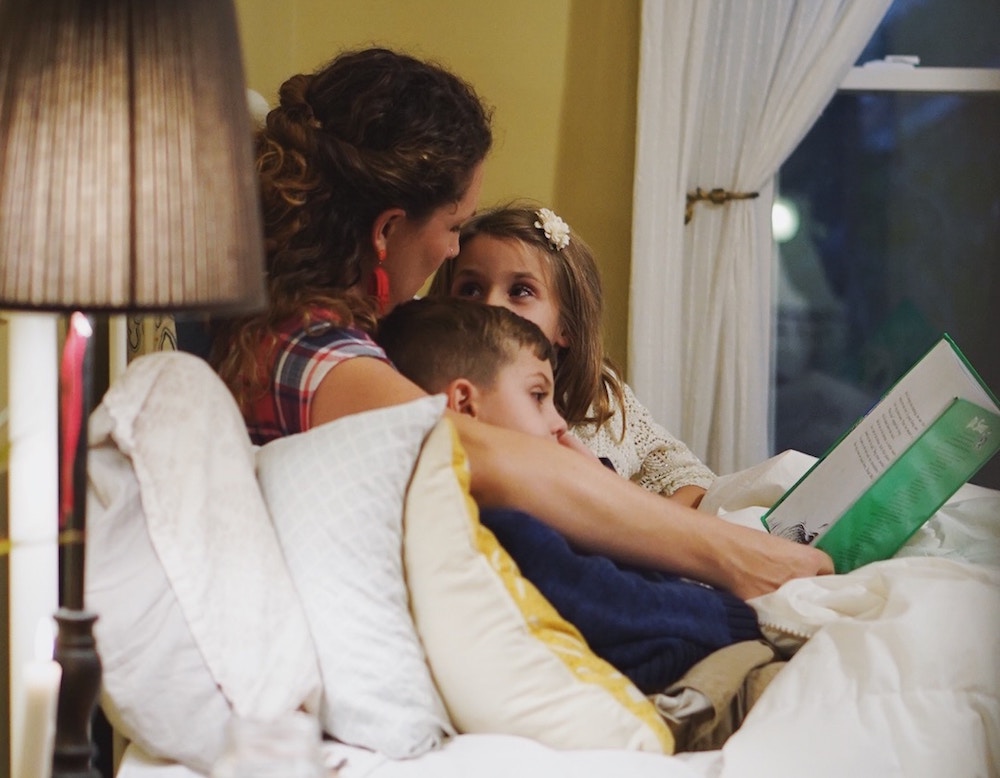
Reading and talking - tips to get the most from these activities
When your child signs up for 蘑菇视频 English, they are provided with a great way to reinforce and practise the literacy skills they have been learning in school. However, there are lots more things that parents and carers can do to improve literacy skills that fall outside of 蘑菇视频's curriculum.
Confidence in maths stays
with your child for life.
Award winning home learning for ages 5-11 on tablet and laptop.
Reading and talking - tips to get the most from these activities
When your child signs up for 蘑菇视频 English, they are provided with a great way to reinforce and practise the literacy skills they have been learning in school. However, there are lots more things that parents and carers can do to improve literacy skills that fall outside of 蘑菇视频's curriculum.

6 ideas for parents to help children with dyslexia
Generally, children with dyslexia have difficulties recognising the individual sounds (phonemes) that make up words. The brain differences created by dyslexia mean that children tend to see words as whole entities, and struggle to identify and manipulate the smaller sounds within each word.
Watch your child's confidence and ability
in maths and English grow with 蘑菇视频.
Award winning home learning for ages 5 to 11 on phone, tablet and laptop.
Free 14 day trial, cancel anytime.